

The One Step Almost Every Service Business Skips Before Building a Website or Funnel

A few months ago, I sat down with a business owner who'd just dropped $4,000 on a brand new website. Custom design, professional photos, the whole package. It looked incredible.
Three months in? Almost no leads. Barely any form submissions. Her bounce rate was through the roof.
So I asked her a simple question. What was the goal of the site before they started building it? She paused for a second. "I mean... to look professional? To have a place to send people?"
That was the entire plan. And that's exactly why it wasn't working.
If you've ever felt that same frustration, you're in good company. Research from SoftwareReviews found that 80% of website redesigns fall short of their full potential, and the number one reason isn't bad design. It's a disconnect between what the business actually needs and what gets built. A separate study by The Marketing Centre, which surveyed nearly 2,000 business decision-makers, found that 67% of businesses have no marketing action plan at all.
Read that again. Two out of three businesses are building websites, launching funnels, and posting on social media without a clear blueprint for how any of it connects. That's like building a house without a floor plan and then wondering why the kitchen ended up where the bathroom should be.
Let's fix that. Here's the step almost everyone skips, why it matters so much, and exactly how to do it in about 15 minutes.
Why "Just Build Something" Is the Most Expensive Advice You'll Ever Follow
Here's how it usually plays out. Someone decides they need a website or a funnel. They pick a template, start filling in the blanks, choose some colors, write some copy, and hit publish. Maybe they even pay someone to do it for them.
Then they wait. And the leads don't come. Or worse, the wrong leads show up. Or people visit and never take the next step.
So they tweak the design. Swap the headline. Add more pages. Try a different template. Spend more money. Start over from scratch.
If you just felt a little called out, don't worry. This is the most common pattern I see with service businesses, and it has almost nothing to do with talent or effort.
The problem was never the website or the funnel itself. The problem is that nobody stopped to answer a handful of critical questions before anything got built. Build first, think later is backwards. And it's expensive, because every redo costs you time, money, and momentum.
The 5 Questions That Should Come Before Any Build
Before you open a website builder, before you pick a template, before you write a single word of copy, these five questions need clear answers. Think of them as your blueprint.
1. Who exactly am I trying to reach?
Not "everyone who needs my service." That's way too broad. I'm talking about the specific person you want to attract.
What keeps them up at night? What have they already tried that didn't work? Where are they in their buying journey? Are they actively shopping for a solution, or do they not even realize they have a problem yet?
The more specific you get here, the easier every other decision becomes. Your headlines practically write themselves once you know exactly who you're talking to.
How to get clarity on this:
- Picture your single best client and describe them in detail
- Write down the exact words they'd use to describe their problem
- Note where they spend time online and how they found you
- Identify what they were feeling right before they reached out
- Skip the demographics for a minute and focus on their actual frustration
2. What's the one thing I want them to do?
Every page on your site or in your funnel should have one primary action. Not three. Not five. One.
Is it to book a call? Download a guide? Fill out a contact form? Request a quote? Pick one.
Data from Unbounce's analysis of over 18,000 landing pages shows that pages with a single clear call to action convert at 13.5%, while pages with multiple competing CTAs only manage 11.9%. That gap might sound small, but spread across hundreds of visitors a month, it adds up fast.
When you define this before building, you design everything around guiding people toward that one action. Skip it, and you end up with pages that look nice but don't actually lead anywhere.
How to nail this down:
- Choose the single most valuable action a visitor can take
- Make sure that action matches where they are in their journey
- Remove or downplay every competing button that pulls attention away
- Use specific, action-oriented language instead of "Submit" or "Learn More"
- Repeat that one CTA in a few places rather than offering different ones
3. What does the full journey look like?
Your website or funnel isn't a destination. It's one stop along a journey your customer is already on.
What happens before they land on your page? Are they coming from a Google search, a social post, a referral from a friend? How much do they already know about you?
And what happens after they take that first step? Do they get an email? A phone call? A thank-you page that points them to the next thing?
Mapping this out on paper, even roughly, means you're building something that fits into a real experience instead of an isolated page floating in space. Research from Single Grain found that businesses who strategically map their customer journey have seen conversion improvements of up to 341% compared to those who skip the step. That's not a typo.
How to map it quickly:
4. What does someone need to believe before they'll say yes?
This is the question almost nobody asks, and it might be the most important one on the list.
Before someone fills out your form or books your call, they need to believe a few things. They need to believe you understand their problem. They need to believe your solution actually works. They need to believe you're the right person to deliver it. And they need to believe now is the time to act.
Your copy, your layout, your testimonials, all of it should be built to create those beliefs in the right order.
When you figure this out before building, your pages tell a story that guides people naturally toward a decision. Skip it, and you end up with a random pile of information that doesn't flow anywhere.
How to build the right beliefs:
5. How will I know if it's working?
Here's the one that trips up a lot of business owners. If you don't define what success looks like before you build, you'll never actually know whether your site or funnel is performing.
Is success 10 leads a month? 50? A certain number of booked calls? A specific conversion rate?
You need a number, not a feeling. Because "it doesn't feel like it's working" is impossible to troubleshoot. But "we're getting 500 visitors and only 5 leads, which is a 1% conversion rate" gives you something concrete to improve.
How to set a real benchmark:
The 15-Minute Blueprint Exercise
You don't need fancy software or a marketing degree for this. Grab a notebook, open a Google Doc, use the back of a napkin. Whatever gets you thinking.
Write down your answers to those five questions. Keep it simple. One or two sentences each is plenty.
Then sketch out the basic flow. Where does someone come from? What page do they land on? What do they see first? What action do they take? What happens next?
That's it. That's your blueprint. And I'd bet that 15 minutes of planning saves you hours, and potentially thousands of dollars, of building, tweaking, rebuilding, and wondering why nothing is converting.
If you already have a website or funnel up and running, do the exercise anyway. Answer the five questions, then compare your answers to what's actually live right now. You might be surprised at the gap between what you intended and what got built.
The Bottom Line: Stop Building, Start Planning
Here's the honest truth. Most of the website and funnel problems I see aren't design problems. They're planning problems. The business owner jumped straight into building mode without taking a step back to figure out what they were actually trying to accomplish.
And I get it. Building feels productive. Planning feels like stalling. But 15 minutes with a blueprint saves you 15 hours of frustration later.
If your current site or funnel isn't converting the way you'd like, there's a good chance the fix isn't another redesign. It's going back to basics and making sure the foundation is solid before you stack anything else on top of it.
Don't try to answer all five questions perfectly today. Start with question one, get clear on who you're actually trying to reach, and let that clarity shape everything else. The businesses that plan before they build are the ones that don't have to rebuild every six months.
Ready to Build on a Solid Foundation? Here Are Three Ways I Can Help
1. Try the Free Funnel Strategy Creator
If you want help answering those five questions before you build, we made a free tool for exactly this. The Funnel Strategy Creator walks you through the key decisions step by step, then hands you a personalized funnel blueprint with page templates and email sequences. It takes about two minutes and gives you a clear starting point instead of a blank screen.
Get your free funnel strategy →
2. Try the All-in-One Platform I Use and Recommend
If you're ready to rebuild your website with conversion principles built in from the start, I recommend the platform we use for our own business. ClickFunnels 2.0 lets you create high-converting landing pages AND build your entire website in one place, without needing to hire a developer or designer. You can create your first landing page in under an hour, even if you're not tech-savvy.
Try ClickFunnels free for 14 days →
3. Get Weekly Actionable Marketing Tips
Want more practical advice like this delivered straight to your inbox? Every Monday, I send out the Spark and Scale newsletter with bite-sized, actionable marketing tactics that service businesses can implement right away. Past topics include "5 headline formulas that increase clicks," "The booking page elements that convert visitors," and much more.
Join Spark and Scale (Free) →
What's Next in This Series
This blueprint is just the starting point. Over the next few posts, we go deeper into each piece of the planning process, and the next one tackles the question most service businesses rush right past: figuring out exactly who you're trying to reach.
Up next: Why "Anyone Who Needs My Service" Is Quietly Costing You Clients. That first blueprint question is the foundation everything else gets built on, and getting specific about your ideal customer changes everything from your headlines to your offers to how people feel the moment they land on your page.
Additional Resources
For further assistance and more in-depth guides, check out these resources:
If you need personalized help, contact our support team at support@repairmyfunnel.com.
Additional FAQs
How long does this planning process actually take?
The core exercise takes about 15 minutes. Answer the five questions in a sentence or two each, then sketch your page flow. You can always refine your answers later, but even a rough first draft gives you more direction than most business owners ever start with. The goal is clarity before construction, not a perfect 40-page strategy document.
Do I really need a plan if I'm just using a template?
Yes, and arguably even more so. A template gives you a structure, but it can't tell you who you're talking to, what action you want them to take, or what someone needs to believe before they say yes. Templates handle the "how it looks" part. Your blueprint handles the "why it works" part. Plug your answers into the template and it becomes far more effective.
I already have a website that isn't converting. Should I start over?
Not necessarily. Before you spend money on a full redesign, run the five-question exercise and compare your answers to what's currently live. Most of the time the issue isn't the design itself, it's a missing CTA, an unclear audience, or a journey that doesn't lead anywhere. Fixing those is usually faster and cheaper than rebuilding from scratch.
What if I'm not sure who my ideal customer is yet?
Start with your best existing client, the kind of person you'd happily take ten more of. Describe their problem in their own words and work backward from there. If you're brand new and don't have clients yet, describe the person you most want to serve and the specific frustration you solve for them. You can sharpen this over time as real customers come in.
How do I know if my blueprint is good enough to start building?
You're ready when you can answer all five questions in plain language without hesitating. If you can say who you're reaching, the one action you want, what the journey looks like, what they need to believe, and how you'll measure success, you have enough to build something intentional. You'll keep refining as you gather data, but that's the green light to begin.

Howdy, I'm Tyson
Owner Of Repair My Funnel
Growing your service business online shouldn't feel overwhelming or confusing. That's exactly why I created Repair My Funnel.
I've spent years mastering ClickFunnels and digital marketing systems, but more importantly, I've learned how to translate that expertise into simple, clear guidance for business owners who just want their online presence to work. My mission is helping established service businesses build professional websites, effective funnels, and reliable systems that attract and convert more clients without the tech stress.
Here on the blog, you'll discover practical strategies from our proven 5-pillar framework covering everything from building a solid website foundation to creating content that drives organic traffic. Whether you're a coach, contractor, wellness professional, or local service provider, you'll find step-by-step guides and real-world tactics designed specifically for service businesses like yours.
Ready to get actionable insights delivered weekly? Join the Spark & Scale Newsletter where I share my best strategies to help you attract more clients, streamline your systems, and grow your business with confidence.
Featured Articles
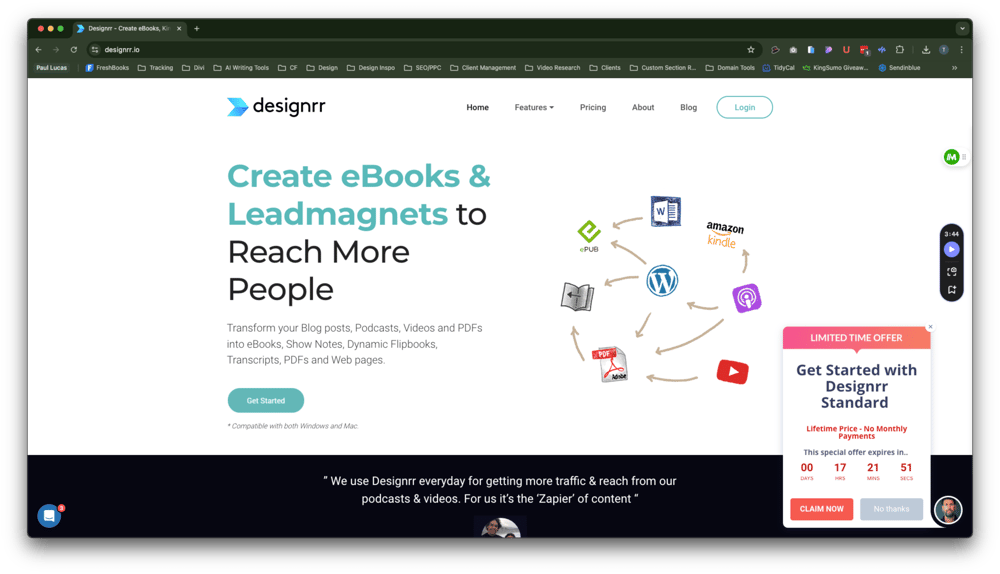
Learn how to create professional ebooks and audiobooks using Designrr. This step-by-step guide shows you how to import content, customize layouts, and export your ebook in various formats.

Learn how to use the scoring feature in ClickFunnels 2.0 surveys to award points and customize user journeys based on their survey responses. Step-by-step guide inside!
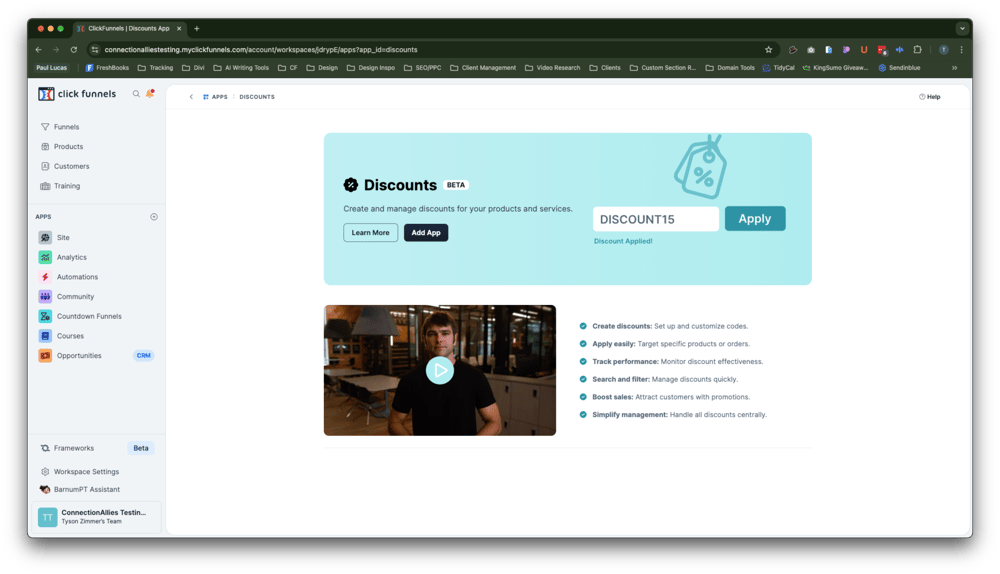
Learn how to create discount codes in ClickFunnels 2.0 with this easy step-by-step guide. Offer percentage or fixed-amount discounts to boost your sales today!

Learn how to bulk delete contacts in ClickFunnels 2.0 with this new feature tutorial. Manage your CRM more efficiently by removing multiple contacts at once.

Latest Posts
Friday, January 31, 2025
Friday, January 31, 2025
Friday, January 31, 2025
RepairMyFunnel.com, a DT Designs LLC Product ■ All Rights Reserved © 2024-2025 ■ 1212 5th Ave N, Apt 2, Seattle, WA 98109
Privacy Policy - Terms - Disclaimer - Contact