

How to Define Your Ideal Customer (and Why "Anyone Who Needs My Service" Is Costing You Clients)

Quick answer: Trying to market to everyone is the fastest way to connect with no one. To define your ideal customer, look at your three to five best past clients, find what they had in common, and rewrite your website to speak to that one specific person, their situation, their hesitations, and what they need to believe before they say yes. Getting this right is what makes your homepage, offers, and content actually convert.
If you've ever stared at your website wondering why it gets visitors but not clients, this is usually where the problem starts. So let's fix it.
A while back I was helping a swim instructor build out her website and funnel. When I asked who her ideal customer was, she said "parents who want their kids to learn how to swim."
That describes millions of people. And when your marketing tries to talk to millions of people at once, it usually ends up connecting with nobody.
So I pushed a little further. Which parents? How old are the kids? Are they nervous about water? Are these parents finding her on Google or in local Facebook groups?
She paused and said, "Honestly? My best clients are moms with kids between 3 and 6 who are afraid of the water. They find me through local mom groups on Facebook, and the first thing they ask about is private lessons because they don't want their kid to feel embarrassed in a group."
That's a completely different starting point than "parents who want swim lessons."
We rewrote her homepage around that specific parent. Didn't change her services. Didn't redesign the whole site. We just got specific about who she was talking to. Her inquiry form submissions went up noticeably within the first few weeks, and the leads coming in were better quality too.
This isn't a one-off. HubSpot found that using clearly defined buyer personas makes websites 2 to 5 times more effective and easier to use for the target audience. And in a MarketingSherpa case study, a company that rebuilt its site around its buyer personas saw a 100% increase in pages visited and a 171% increase in marketing-generated revenue. The businesses that consistently hit their lead and revenue goals are overwhelmingly the ones who got specific about exactly who they were trying to reach.
Let's break down why defining your ideal customer changes everything about your marketing, and how to actually do it this week.
The Real Problem With Trying to Reach Everyone
When you try to appeal to everyone, your messaging gets watered down. You end up writing things like "We provide quality service for all your needs," which means absolutely nothing to the person reading it.
Think about it from the other side. When you're searching for something online, which business gets your attention? The one that says "We help all businesses grow," or the one that says "We help swim instructors fill their lesson schedule without spending hours on social media"?
You click the second one, because it feels like they get you. That's the power of specificity. It doesn't shrink your audience. It sharpens your message so the right people actually stop scrolling.
Here's the part that trips people up. Getting specific about who you market to doesn't mean turning away everyone else. The swim instructor who speaks directly to nervous moms with young kids still gets inquiries from dads, from parents with older kids, from adults who want to learn. The specificity just gives her a sharper hook that cuts through the noise. Everyone else still finds their way to her.
But if she'd kept her messaging broad, trying to speak to everyone at once, she'd still be blending into a sea of "Swim Lessons Available" pages that all look and sound the same.
How to sharpen a message that's too broad:
- Pick one specific person to write to instead of a faceless "audience"
- Name the exact problem they're dealing with, not a general category
- Use the words your best clients actually use, not industry jargon
- Lead with their situation, not your list of services
- Cut any line that could apply to literally any business in your field
Go Beyond the Basic Demographics
Most business owners stop at the surface when they try to define their target audience. They think about age, location, income level, maybe industry. Those things are useful, but they don't actually help you write better copy or build a better landing page.
The swim instructor could have stopped at "moms aged 28 to 40 in the Phoenix metro area." That's a demographic. But it tells you almost nothing about what to say to them.
What made the difference was understanding their situation. These moms have a kid who screams when bath water gets near their face. They've been avoiding pool parties all summer. They feel a little embarrassed about it, like maybe they should have started lessons sooner. They want private lessons because they're protective and don't want their kid singled out in a group.
That's not demographics. That's the lived experience of a specific person with a specific problem. And when you build your homepage around that lived experience, people read it and think "how do they know exactly what I'm going through?"
It works the same way no matter your industry. The carpet cleaning company that knows their best customers are homeowners who just listed their house and need it showing-ready in two weeks will write better ads than the company targeting "anyone with carpet." The funnel builder who knows their ideal client is a course creator who's been doing everything manually and just hit a wall will sound completely different than "funnel services for online businesses."
How to dig past demographics into real situations:
- Write down what's happening in your client's life right before they reach out
- Describe what they've already tried that didn't work
- Note how they feel about the problem, including any embarrassment or frustration
- Figure out where they look for a solution, like Google, Facebook groups, or referrals
- Capture the exact moment they decide "okay, I need to do something about this"
The Hidden Beliefs That Make or Break the Sale
There's one more layer almost nobody thinks about, and it's the one that matters most for conversions.
What does your ideal customer already believe about their problem and about solutions like yours?
The nervous swim mom might believe her kid is just "not a water person" and that lessons won't work. She might believe private lessons are way out of her budget. She might have tried a group class once where her kid cried the whole time, and now she's skeptical that any instructor can help.
If you know those beliefs going in, you can address them on your page before they ever become objections. You can include a testimonial from a parent whose kid was terrified of water and now loves it. You can mention your pricing early so they're not guessing. You can explain how your approach is different from the typical group class.
This is what separates a page that gets traffic from a page that gets clients. It's not better design or fancier photos. It's that every piece of content on the page was built to meet a specific person exactly where they are, answer the questions already running through their head, and help them feel confident this is the right move.
How to map the beliefs behind a yes:
- List what your ideal customer believes about their problem before they find you
- Write down their biggest fear or skepticism about hiring someone like you
- Identify the assumption that's secretly stopping them, like price or past bad experiences
- Match each belief to a specific piece of proof, story, or reassurance on your page
- Put the answer to their biggest hesitation where they'll see it early, not buried at the bottom
The 20-Minute Ideal Customer Exercise
You don't need expensive software or a research team for this. You need your past clients and about 20 minutes.
Think about your three to five best clients ever. Not the most clients. Your best ones. The ones who were easy to work with, got great results, paid on time, and maybe even referred someone else to you.
Now look for the patterns. What did they have in common when they first came to you? What were they dealing with? What had they tried before? What finally made them say yes?
Write all of that down as one description of a single person. Give them a name if it helps. This becomes your ideal customer profile, the person every headline, offer, and page should speak to.
Then pull up your website or landing page and read it through their eyes. Does it speak to them? Does it acknowledge their specific situation? Or does it read like it was written for a general audience?
If there's a gap between the person you just described and what your site actually says, you found your next project.
Most business owners have never done this exercise. So if you take 20 minutes to actually do it, you're already ahead of most of your competition on the one thing that makes every other marketing decision easier.
The Bottom Line: Speak to Fewer People, More Clearly
Here's what I want you to take away. You don't need to serve fewer people. You just need to speak to fewer people more clearly.
When your messaging is built around a specific person with a specific problem, the right people feel seen and the wrong ones filter themselves out. That saves you time, energy, and the frustration of chasing leads that were never going to convert.
The swim instructor didn't narrow her services. She narrowed her message. She still teaches kids of all ages. She still runs group lessons. But her marketing speaks to one person, and that one person tells other people just like her.
Don't try to overhaul everything at once. Start with the exercise above, get clear on who your best clients really are, and let that clarity shape your headline and your first paragraph. That single change is usually enough to start seeing better leads come through.
Ready to Put This Into Action? Here Are Three Ways I Can Help
1. Get a Free Website & Funnel Audit
Not sure if your site actually speaks to your ideal customer, or if it's reading as generic? Let me take a look. I offer free 15-minute audits to coaches, consultants, and local service business owners who want clarity on their digital presence. I'll review what you have, give you honest feedback, and point you toward the changes that'll make the biggest difference.
Book your free audit with Repair My Funnel →
2. Try the All-in-One Platform I Use and Recommend
If you're ready to rebuild your website with conversion principles built in from the start, I recommend the platform we use for our own business. ClickFunnels 2.0 lets you create high-converting landing pages AND build your entire website in one place, without needing to hire a developer or designer. You can create your first landing page in under an hour, even if you're not tech-savvy.
Try ClickFunnels free for 14 days →
3. Get Weekly Actionable Marketing Tips
Want more practical advice like this delivered straight to your inbox? Every Monday, I send out the Spark and Scale newsletter with bite-sized, actionable marketing tactics that service businesses can implement right away. Past topics include "5 headline formulas that increase clicks," "The booking page elements that convert visitors," and much more.
Join Spark and Scale (Free) →
What's Next in This Series
Now you know who you're trying to reach. But here's the thing most businesses miss: knowing your ideal customer is only useful if you understand the path they take to actually become a client.
Up next: What Happens Between "I Found You" and "Take My Money." Most service businesses have no idea where people drop off between first hearing about them and deciding to work with them, and that gap is where the biggest opportunities hide. Next, we map the customer journey step by step so nothing falls through the cracks.
If you serve more than one type of client and you're worried that getting specific means leaving the others out, that's a fair concern. The fix isn't to go broad again, it's to build clear paths for each audience. That's a whole topic on its own, and it pairs naturally with everything we just covered.
Additional Resources
For further assistance and more in-depth guides, check out these resources:
If you need personalized help, contact our support team at support@repairmyfunnel.com.
Additional FAQs
What's the difference between a target audience and an ideal customer?
Your target audience is the broad group you could serve, like "homeowners" or "small business owners." Your ideal customer is one specific person within that group, defined by their situation, their problem, and what they believe, not just their demographics. Marketing to a broad target audience tends to produce generic copy. Building your message around one ideal customer is what makes a website actually convert.
Won't getting specific shrink my audience and cost me business?
It's the opposite, and this is the fear that keeps most people stuck. Specific messaging gives you a sharper hook, so the right people feel understood and stop scrolling. The people outside your core focus still find you and still reach out. Speaking clearly to one person doesn't turn everyone else away. It just stops you from blending in with every competitor who sounds the same.
How many ideal customers should I have?
Start with one. Most service businesses get the biggest lift from nailing a single ideal customer first, then expanding. If you genuinely serve a few distinct groups, you can speak to each one, but the move is to give each its own clear path and message rather than blending them into one watered-down pitch. Trying to define five personas before you've nailed one usually leads back to generic messaging.
What if I don't have many past clients to study yet?
If you're early, work from the few clients or conversations you've had, even informal ones. No clients yet? Describe the person you most want to serve and the specific problem you solve for them, then sharpen it as real customers come in. The goal isn't a perfect profile on day one. It's a clear starting point you refine with real data over time.
Where do I actually use my ideal customer profile once I've made it?
Everywhere your message shows up. Start with your homepage headline and first paragraph, since that's what most visitors see first. Then work it into your service pages, your lead forms, your email subject lines, and your ad copy. The same profile should guide your offers and even your testimonials, so you're featuring proof from clients who look like the person you're trying to attract.

Howdy, I'm Tyson
Owner Of Repair My Funnel
Growing your service business online shouldn't feel overwhelming or confusing. That's exactly why I created Repair My Funnel.
I've spent years mastering ClickFunnels and digital marketing systems, but more importantly, I've learned how to translate that expertise into simple, clear guidance for business owners who just want their online presence to work. My mission is helping established service businesses build professional websites, effective funnels, and reliable systems that attract and convert more clients without the tech stress.
Here on the blog, you'll discover practical strategies from our proven 5-pillar framework covering everything from building a solid website foundation to creating content that drives organic traffic. Whether you're a coach, contractor, wellness professional, or local service provider, you'll find step-by-step guides and real-world tactics designed specifically for service businesses like yours.
Ready to get actionable insights delivered weekly? Join the Spark & Scale Newsletter where I share my best strategies to help you attract more clients, streamline your systems, and grow your business with confidence.
Featured Articles
Stuck building your whole website at once? Launch a 3-page minimum viable funnel first (homepage, offer, action), start getting leads, then add the rest.

Stop guessing if your site works. Track three simple numbers (traffic, conversion rate, cost per result) to diagnose exactly what to fix and what to leave alone.

Got the right content but no conversions? Learn the 4 beliefs to build, in order, so your landing page turns hesitation into yes without writing anything new.
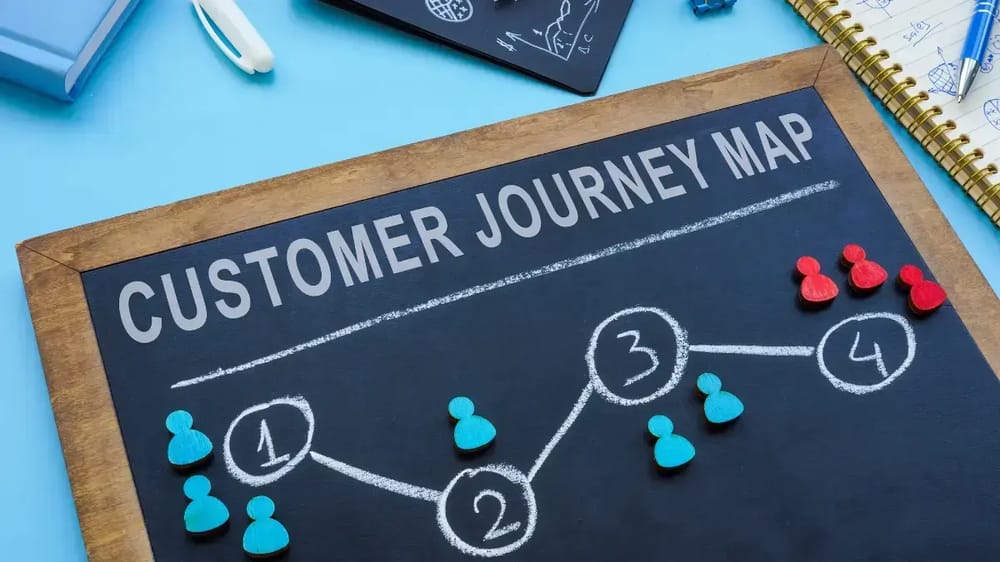
Getting traffic but not clients? Learn how to map your customer journey in four simple steps and find the exact gap where service businesses lose the most leads.

Latest Posts
Monday, June 29, 2026
RepairMyFunnel.com, a DT Designs LLC Product ■ All Rights Reserved © 2024-2025 ■ 1212 5th Ave N, Apt 2, Seattle, WA 98109
Privacy Policy - Terms - Disclaimer - Contact